When it comes to construction, the saying “you’re only as good as your materials” holds true. Quality materials are the backbone of any successful construction project, whether it’s a new home, a renovation, or a commercial building. In this article, we’ll delve into why using high-quality materials is of paramount importance in the construction industry.
1. Durability and Longevity:
One of the primary reasons for choosing quality materials is their inherent durability. Quality materials can withstand the test of time, ensuring that your construction project remains structurally sound for years, if not decades. Whether it’s the foundation, framing, roofing, or finishes, using top-notch materials means fewer repairs and replacements in the long run.
2. Safety and Structural Integrity:
The safety of a building’s occupants is non-negotiable. High-quality materials contribute significantly to the structural integrity of a construction project. They provide the necessary strength and stability to ensure that the building can withstand environmental factors like wind, rain, earthquakes, and more. Quality materials also reduce the risk of accidents and hazards associated with subpar construction.
3. Energy Efficiency:
In today’s environmentally conscious world, energy efficiency is a key consideration in construction. Quality materials, such as energy-efficient windows, insulation, and roofing, can significantly reduce a building’s energy consumption. This not only lowers utility costs for the occupants but also reduces the overall environmental impact.
4. Aesthetic Appeal:
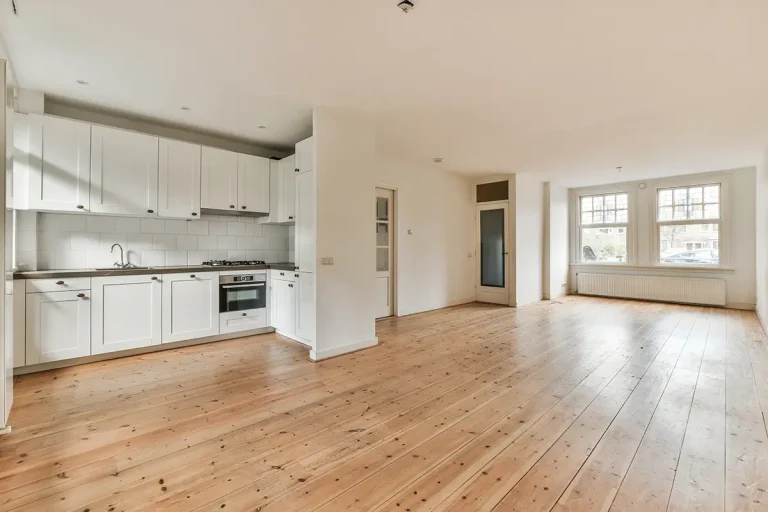
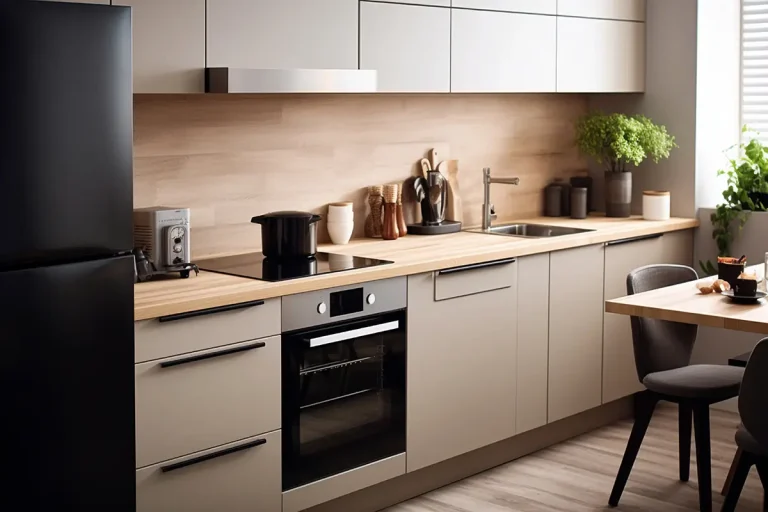
Quality materials often boast superior aesthetics. Whether it’s the richness of hardwood flooring, the elegance of stone countertops, or the sleekness of stainless steel fixtures, high-quality materials enhance the visual appeal of a space. They create an inviting and luxurious environment that adds value to the property.
5. Maintenance and Repairs:
Using quality materials reduces the frequency and cost of maintenance and repairs. Cheaper materials may require constant upkeep, leading to higher long-term costs. Quality materials, on the other hand, are less prone to wear and tear, minimizing the need for frequent repairs and replacements.
6. Resale Value:
A property constructed with quality materials maintains or increases its resale value over time. Potential buyers are often willing to pay a premium for homes or buildings built with superior materials. This investment in quality can yield substantial returns if you ever decide to sell.
7. Environmental Impact:
Choosing quality materials can also have a positive impact on the environment. Many high-quality materials are sourced sustainably or are recyclable, reducing the carbon footprint associated with construction.
Conclusion:
In the world of construction, cutting corners by opting for subpar materials can lead to costly consequences in terms of safety, maintenance, and overall satisfaction. Investing in quality materials not only ensures the longevity and safety of a construction project but also enhances its aesthetics and efficiency. When it comes to construction, quality materials are the foundation upon which lasting success is built, making them an indispensable element of any construction project.