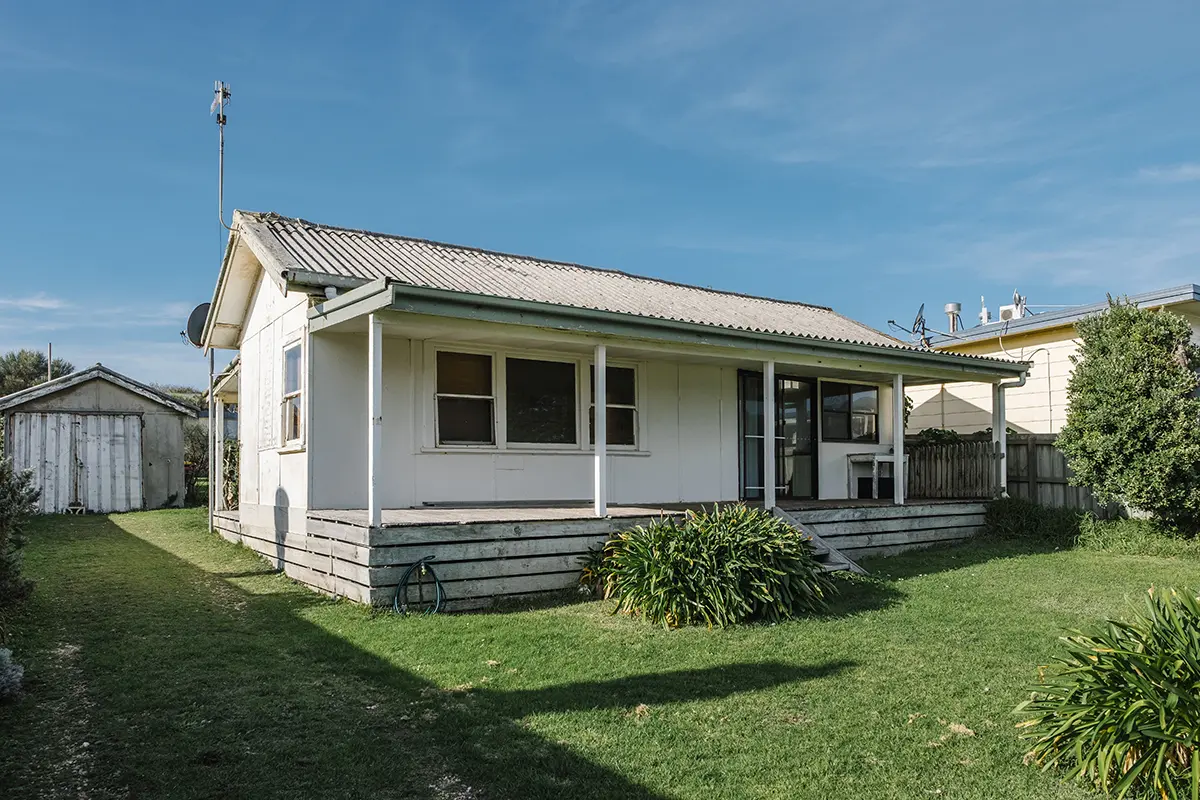
In a world where bigger often seems better, there’s a growing movement towards maximizing space in small home construction. The idea of living large in a small footprint has gained traction for several compelling reasons. Let’s explore the strategies and benefits of small home construction that go far beyond size.
Efficient Design:
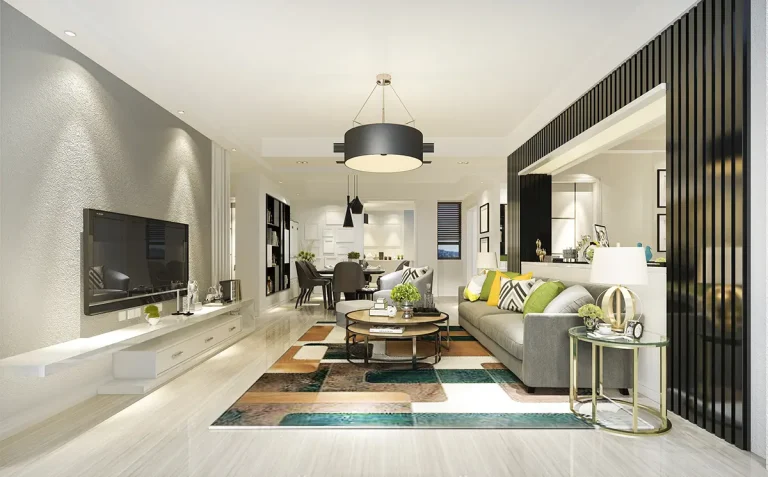
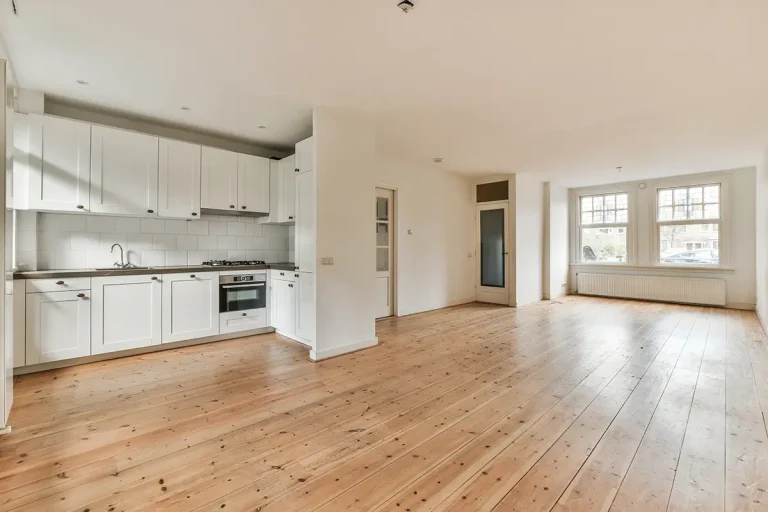
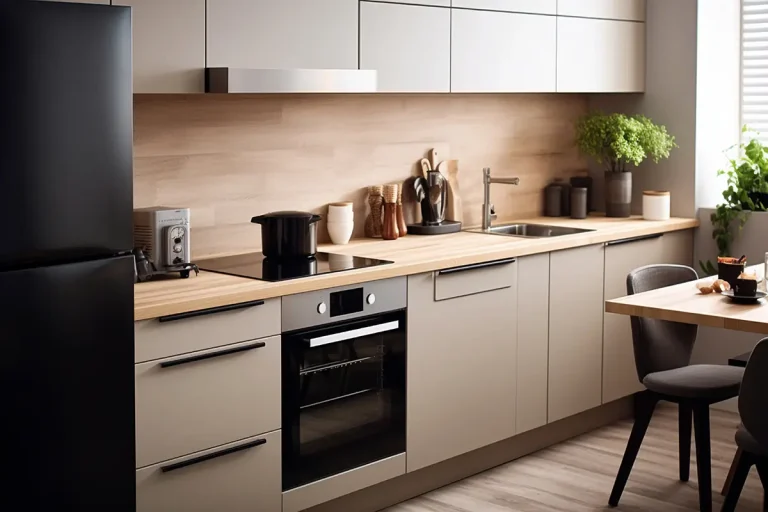
Small homes are a testament to efficient design. Architects and designers meticulously plan layouts to make the most of every square foot. In doing so, they create homes that feel spacious, organized, and functional. Features like built-in storage solutions, multipurpose furniture, and open floor plans are all part of the design toolkit to optimize space.
Lower Costs:
One of the most immediate benefits of a small home is its affordability. Smaller homes come with a lower price tag, not only in terms of construction but also ongoing maintenance and utilities. This financial advantage provides homeowners with more budget flexibility for other life pursuits.
Reduced Energy Consumption:
Small homes are inherently energy-efficient. With less space to heat or cool, they require fewer resources to maintain comfortable temperatures. Lower energy bills and a reduced environmental footprint are compelling reasons to embrace small home living.
Minimalist Lifestyle:
Living in a small home encourages a minimalist lifestyle. With limited space, homeowners naturally prioritize what truly matters. Fewer possessions often lead to less clutter, reduced stress, and a more peaceful living environment.
Easy Maintenance:
A smaller home is easier to maintain. Cleaning, repairs, and general upkeep become less time-consuming and more manageable. This means more time to enjoy your space and less time spent on household chores.
Sustainability:
Small homes can be built with sustainability in mind. They often use fewer building materials, consume fewer resources, and produce less waste during construction. Additionally, eco-friendly features like energy-efficient appliances and renewable energy sources can be seamlessly integrated into smaller spaces.
Cozy Atmosphere:
Small homes exude coziness and charm. The compact size creates an intimate atmosphere that’s inviting and comforting. The close proximity of rooms fosters a sense of togetherness among family members and guests.
Customization:
With a smaller space, you can invest in custom design elements and high-quality materials. This allows for personalization and the creation of a unique living environment that reflects your style and preferences.
Outdoor Living:
Small homes often prioritize outdoor living spaces. Patios, decks, or gardens become extensions of the interior living area, connecting homeowners with nature and expanding their overall living space.
Community Connection:
Living in a smaller home often means residing in closer proximity to neighbors. This can foster a stronger sense of community and encourage social interaction, creating a more fulfilling living experience.
In conclusion, maximizing space in small home construction is about more than just square footage. It’s a conscious choice that promotes efficiency, affordability, sustainability, and a more intentional way of living. Whether you’re looking to downsize, reduce your environmental impact, or simply enjoy the benefits of a cozier home, small home construction offers a world of possibilities.